
Administration Initatives
According to the CDC, there are three primary core functions of public health with 10 corresponding essential health services. Since NMDOH is the main public health entity of New Mexico, they are charged with providing these three core function areas statewide:
- Assessment – Monitor and assess health problems and then diagnose and investigate the problems’ solutions.
- Policy Development – Inform, educate and empower people, mobilize community partnerships and then develop plans and policies around agreed upon health
- Assurance – Enforce laws and regulations, guarantee a competent workforce, and evaluate service delivery’s effectiveness to assure the provision of public health services and ensure the population’s safety.
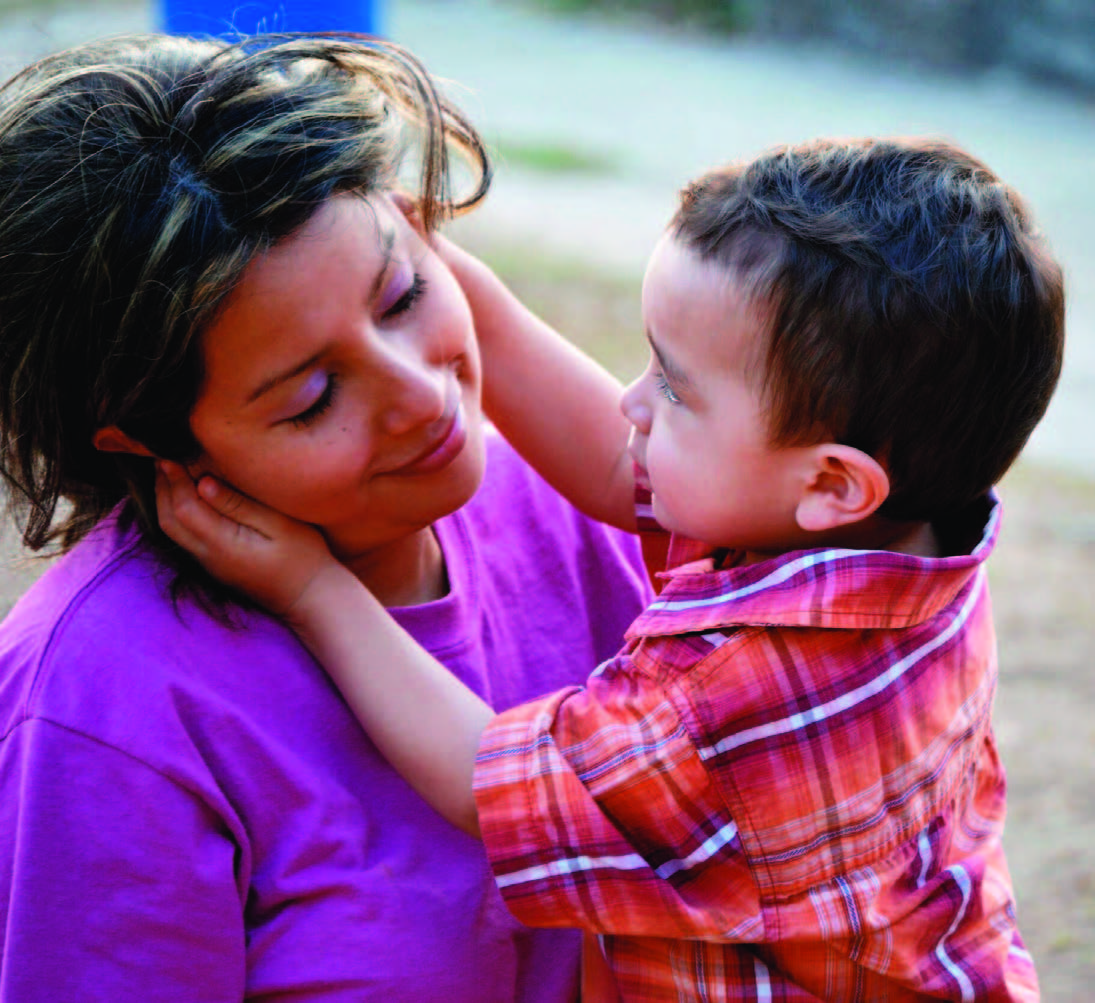
Safe Sleep for Infants (inter-agency)
New Mexico holds a statewide safe sleep collaborative to improve education and awareness about safe sleep for infants. Participants, with representatives from several state agencies and community programs, work to reduce risks for sudden unexpected infant deaths (SUID) through messaging about safe sleep, including the use of cribs or bassinets with a firm mattress close to but not on the same surface as an adult. The programs distribute safe sleep products, including wearable infant sleep sacks (wearable blankets), cribs, bassinets and pack-n-play units for families accessing services in public health offices and those participating in home visiting programs. See NMDOH’s Safe Sleep NM web page for more information.
Comprehensive Addiction and Recovery Act (CARA)
Numerous agencies work together to coordinate care and services for substance-exposed infants and their families. In 2025, DOH, HCA, ECECD and CYFD collaborated to holistically support 1,800 substance-exposed newborns and their families who received a Plan of Safe Care (POSC, also known as a CARA plan). This program has grown to accommodate the need in New Mexico through offering intensive case management to all families with a POSC, following the child through their first year of life. As a result, DOH provided navigation services to 1,608 babies and their families in FY25.
Maternal Child Health Title V Block Grant (DOH)
The DOH Family Health Bureau serves families through public health offices, health programs and health status monitoring supported through the federal Title V Maternal Child Health Block Grant. The grant supports activities across maternal, perinatal and adolescent populations. These include Family Planning (Title X), the Office of School and Adolescent Health, Maternal Health, Oral Health, Children’s Medical Services, and the Office of Injury and Violence Prevention. Under Title V needs assessment and planning, programs work together to address the needs of the maternal and child populations, ages 0 to 24.
Maternal Health Program (DOH)
The expansion of home visiting, doula, and midwifery programs throughout the state have allowed more pregnant people to access prenatal and postnatal care. In 2025, funding from the Rural Health Care Delivery fund helped expand maternal and child health services in rural communities, including Cibola, Grant, Luna and McKinley Counties. Following the passage of HB214 in the 2025 legislative session, the NMDOH Maternal Health Program created a doula certification program; as of December 2025, 48 doulas have received their certification, making them eligible to bill Medicaid for their services. Midwives follow a similar
reimbursement process. In 2025 New Mexico also passed HB56, “Medicaid Reimbursements for Birth Centers,” a law which mandates pay parity between birthing hospitals and freestanding birth centers. This entitles birth workers to equal compensation regardless of where they practice. Additionally, Medicaid covers all postpartum individuals for a full year following birth, which maximizes the opportunity to access postpartum healthcare.
Children’s Medical Services (DOH)
The Children’s Medical Services (CMS) program coordinates medical and social needs for families receiving Medicaid, private insurance and those without insurance to ensure access to specialty care, assistance navigating primary care and to connect families to early intervention services when needed. The CMS program screens every infant born in NM for genetic conditions and for hearing and follows children needing specialized care up to age 21. Working with health providers and parent advocacy organizations across the state, CMS is a safety net program integral to the health and well-being of New Mexico children.
Access to Reproductive Health Services
DOH holds an inter-agency work group to address increasing needs for comprehensive, full-spectrum reproductive health services throughout the state. Academic and community-based partners meet weekly to problem solve and strategize access and messaging about these services.
Educational Services
Evidence-based teen pregnancy prevention programs encompass service learning and positive youth development programs, parent training and adult-teen communication programs, comprehensive sex education programming, and community education and outreach activities. These include:
- Service learning and positive youth development programs (like the Teen Outreach Program [TOP] and Teen Connection Project [TCP]) promote positive outcomes for teens by providing meaningful service to develop and practice life skills, self-efficacy, and healthy behaviors.
- Adult-teen community programs (like From Playground to Prom) give adults information and skills to communicate effectively with young people about reducing risky sexual behavior.
- Comprehensive sex education programs (like TOP and TCP) provide youth with age-appropriate and medically accurate information to reduce the risk of sexually transmitted infections and unintended pregnancy.
Immunization Program (DOH)
The New Mexico Immunization Program holds the responsibility of providing all vaccinations for the states under 18-year-old pediatric population to protect children against vaccine preventable diseases. New Mexico is a universal vaccine purchase state, providing all required Childcare/Pre-School/School Entry vaccines for children and highly recommended vaccine to include COVID, Flu, RSV and HPV through over 332 public and private Vaccines for Children providers statewide. The program shall purchase vaccines for all children in the state, including children eligible for the vaccines for children program and insured children. Immunizations have been shown to positively affect population health outcomes and reduce disease burden. By increasing access to immunizations, vaccine preventable diseases will decrease thus reducing the burden on the health care system. It is necessary for the Immunization Program to procure vaccines for children in the state, as not adequately immunizing children may result in breakthrough disease, morbidity, and mortality. By procuring these vaccines, the Immunization Program is jointly operating a common health care service and creating a network of health care providers that provides this service to all children.
Children’s Oral Health Prevention Program (DOH)
Tooth decay is preventable yet remains the most common chronic disease among children. The Centers for Disease Control and Prevention estimates that over 51 million school hours are lost due to tooth decay. Untreated cavities can cause pain and infections that may lead to problems with eating, speaking, playing, and learning. Children with poor oral health often miss more school and receive lower grades than children who do not.
The Office of Oral Health’s (OOH) works very closely with various organizations to promote the importance of children’s oral and overall health. Some of the local organizations are: the New Mexico Oral Health Coalition (consisting of over 20 local oral health advocates), the New Mexico Primary Care Association, Health Action New Mexico, Santa Fe County Head Start, Water Utility offices of Santa Fe and Bernalillo County, City of Albuquerque Head Start, YDI Head Start, New Mexico Children Youth and Family Department, St. Joseph’s CHI home visiting program, Villa Therese Catholic Clinic, Native American Professional Parent Resources, the New Mexico Health Care Authority, and the Office of School and Adolescent Health at DOH.
Leveraging Medicaid to Expand Dental Coverage
OOH was mandated by House Memorial 96 to convene a task force to study ways to expand Medicaid coverage to provide additional dental care for children. This task force comprises several oral health advocates representing the various dental associations, the University of New Mexico, the New Mexico Oral Health Coalition, Health Action New Mexico, Federal Qualified Health Center Dental Directors, Indian Health Services, and others. After several meetings, the committee developed a list of actions to increase access to care, and its recommendations were submitted to and accepted by the Legislative Health and Human Services (LHHS) Committee.
To date, the Health Care Authority (HCA) has approved a provider reimbursement increase of 2% and has approved a reimbursement code for fluoride varnish applications. The Authority is currently developing a code for reimbursing the application silver diamide fluoride varnish, which will reduce the number of fillings as well as the pain associated with fillings. OOH and HCA continue to work together to address the recommendations of the task force in order to improve the oral health status of Medicaid children.
Medicaid
NM Medicaid has received federal approval to extend continuous health insurance coverage to children from birth to age six, benefiting 92,842 children. Starting January 1, 2024, this expansion eliminates the need for annual Medicaid renewals for this age group, ensuring uninterrupted access to essential health care services.
Home Visiting
Home visiting has been one of New Mexico’s leading research-based strategies for improving the well-being of the state’s youngest children for more than a decade. Home visiting in New Mexico offers a broad spectrum of program options so expectant parents and families with young children can receive support tailored to their needs and goals. Home visiting is offered in each of New Mexico’s 33 counties, with 37 providers serving 7,280 families and 8,764 children prenatally through age 5 in FY25. Most home visiting providers use an evidence-based model, making them eligible for Medicaid reimbursement. In FY25, home visiting providers served 1,467 families through Medicaid, a significant increase from 402 families in FY24.
Infant Mental Health (IMH) Child-Parent Psychotherapy (CPP)
The Children, Youth & Families Department (CYFD) and ECECD support caregivers in promoting infant mental health by administering programs that strengthen caregiver-child interactions and connect caregivers to resources. The Child-Parent Psychotherapy (CPP) program, administered by CYFD, is an evidence-based, relationship-focused therapeutic intervention for infants, young children, and their caregivers, with the primary goal of promoting and strengthening the adaptive functioning of the infant-caregiver relationship through clinical treatment while supporting permanency for the infant. In 2025, the CPP program served a total of 335 infants and 386 caregivers throughout the state. The Social and Emotional Early Development (SEED) Initiative, administered by ECECD, provides infant early childhood mental health consultation to early childhood educators and program directors, helping them become more confident, reflective, and better equipped to respond to the social and emotional needs of young children. As of February 2026, 297 classrooms, 1,062 early childhood staff, and 4,360 children have benefited from this program
Community Based Services (CYFD)
CYFD’s Behavioral Health Services (BHS) division is the lead on children’s behavioral health policy in collaboration with other State Agencies to include the Health Care Authority (HCA), Department of Health (DOH), Public Education Department (PED), Early Childhood Education and Care Department (ECECD), and the Behavioral Health Collaborative (BHC). BHS staff provide technical assistance and consultation with providers and other CYFD colleagues serving children and youth who are:
- At-risk of CYFD custody
- Involved with CYFD
- Post-CYFD involvement
- Never involved with CYFD
Statewide, BHS works to improve the quality of life for children, youth, and families through development of the NM children’s behavioral health system of care. BHS support the development of a high-quality, trauma-responsive children’s behavioral health workforce statewide.
The BHS Program Bureau oversees children’s behavioral health policy and manages contracts for services not currently billed through any other funding stream, such as Medicaid. This includes management of the shelter continuum, to include facility-based shelters, community-based shelters, multi-service homes, and new and innovative programs. For children’s behavioral health services that are Medicaid funded, BHS efforts include training and technical assistance efforts for services such as Mobile Response and Stabilization Services (MRSS), High-Fidelity Wraparound (HFW), Family Peer Support Services (FPSS), and Youth Peer Support Services (FPSS). CYFD has prioritized the expansion of behavioral health services and supports that are evidence-based, by providing training at no cost to the provider for expansion of Multisystemic Therapy (MST), Functional Family Therapy (FFT), Trauma Focused Cognitive Behavioral Therapy (TF-CBT), Dialectical Behavioral Therapy (DBT), and Eye Movement Reprocessing and Desensitization (EMDR). The BHS division continues to lead and oversee the implementation of the Child and Adolescent Needs & Strengths (CANS) tool, a multi-purpose information integration tool and the Crisis Assessment Tool (CAT), to include an algorithm for Adverse Childhood Experiences (ACE).
Community Behavioral Health Clinicians (CYFD)
CYFD BHS Community Behavioral Health Clinicians (CBHCs) consult, coordinate, team and advocate internally and externally for the target population children and youth in PS & JJS. They provide clinical consultation to team members of CYFD involved children experiencing high behavioral health needs. They also support improved access to trauma responsive community behavioral health services and supports. CBHCs are bridge builders between community partners, such as Managed Care Organizations (MCOs), provider agencies, and CYFD employees.
Tobacco Cessation and Prevention Program (TCPP)
The State of New Mexico Indian Affairs Department (IAD) is focused on building tribal capacity to implement culturally appropriate tobacco cessation and prevention initiatives that recognize the unique ceremonial uses of tobacco while reducing the use of commercial tobacco use and its harmful effects. In FY24 IAD received a $249,300 appropriation from the New Mexico Legislature for TCPP. This is funded out of the Tobacco Settlement Fund and is used for direct tobacco cessation and prevention campaigns in Native American communities. The three components are health, education, and community involvement.
The following organizations partnered with IAD to provide youth tobacco cessation activities:
- Pueblo of Tesuque: Tesuque Pueblo Tobacco Cessation Program encourages community youth to live healthier lifestyles. Youth presentations focused on the dangers of commercial tobacco, vaping, and second-hand smoke. The sacredness of tobacco was touched on to illustrate the differences in use.
- Albuquerque Indian Center: Promote cessation and prevention of commercial tobacco abuse in Urban Native Communities with special emphasis on Native youth. The Center treated the youth to pizza while informing them about the harms of commercial tobacco and vaping. The Center provided resources to parents on health care and cessation programs.